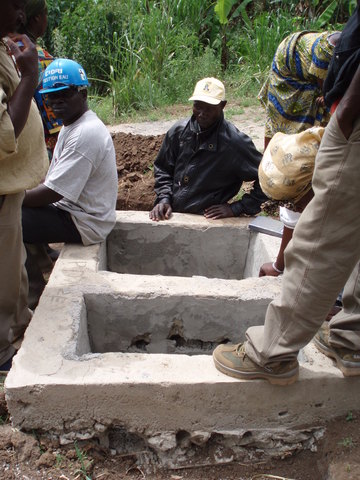
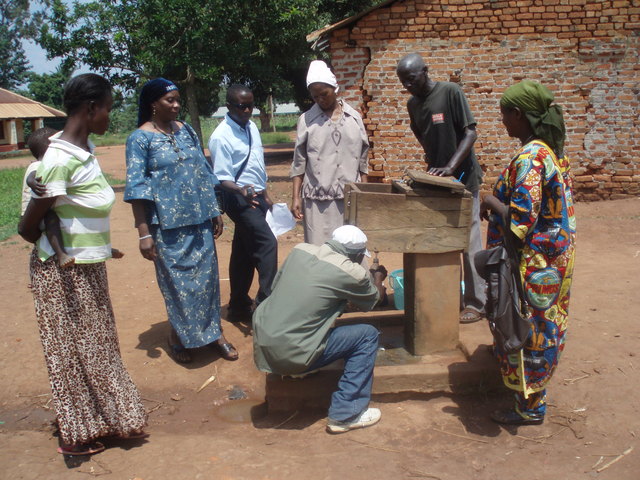
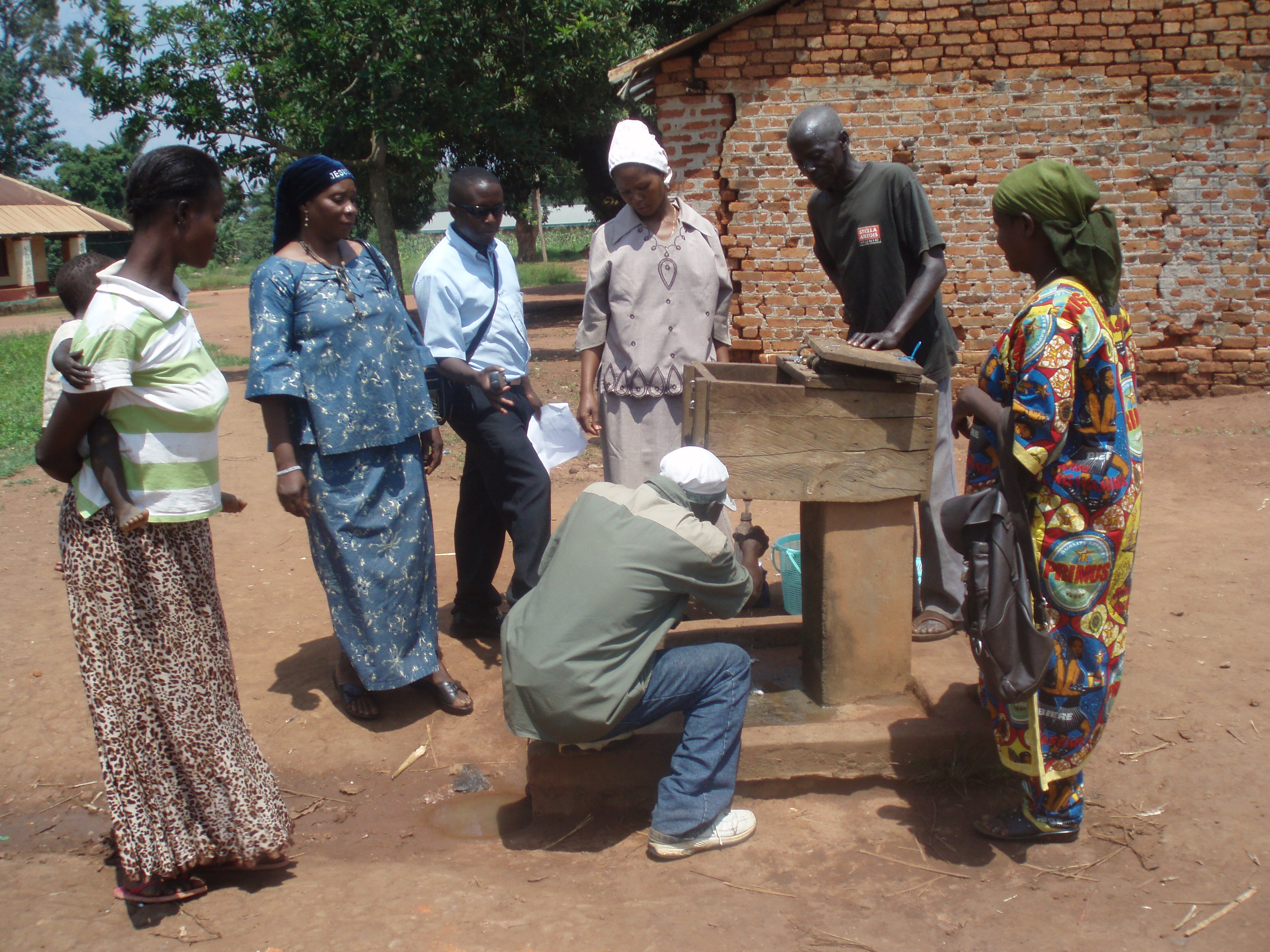
The project will assist 4 water user committees in the rehabilitation and extension of existing drinking water systems which were build between 1985 and 1995, and management will be improved on all systems.
Photos




Documents
-
 PWX_BPR_...
-
 List_inv...
-
 househol...
-
 Latrine_...
-
 new_tank...
-
 relocate...
-
 Sanplat_...
-
 Tapstand...
-
 Tapstand...
-
 water_te...
-
 water_te...




Narrative
See full final report
- Impact Assessment (M&E) Phase Project completed on 31 Jul, 2009 Implementation Phase
-
Marc Despiegelaere of ProtosImplementation Status: in_progress Wed 29 Apr 2009, About 17 Years ago
Intermediate report april 2009 with some photos
Intermediate report april 2009 with some photos is posted under Photos and Documents
- Implementation Phase Project started on 1 Aug, 2008 Preparation Phase
The project will assist 4 water user committees in the rehabilitation and extension of existing drinking water systems which were build between 1985 and 1995, and management will be improved on all systems.
Narrative
See full final report
Photos
Documents
-
PWX_BPR_...
-
List_inv...
-
househol...
-
Latrine_...
-
new_tank...
-
relocate...
-
Sanplat_...
-
Tapstand...
-
Tapstand...
-
water_te...
-
water_te...
Sustainability
Creating and measuring long-term impact
Contribution for public tapstands amount to an equivalent of 0,25 USD per family per month. It was shown that this amount is achievable for all and also is sufficient to generate sufficient income per scheme to pay 4 permanent staff and basic spare parts and materials. Private users pay in relation to the quantity of water used as these connections are metered (and disconnected when not paid).
During a field audit (Aru) it was shown that the income per month amounts 2000 USD.
This annual income of about 24000 USD per GFS has shown to be sufficient for standard repairs and maintenance costs.
This covers the costs for 4 persons (bookkeeper, 1 person for social intermediation and 2 technicians) and the necessary spare parts.
Other Issues
Unusual and unexpected issues faced during project execution
See full final report
Learnings
Knowledge of project and process for sharing
Despite the war and instability in the region 9 out of these 10 systems are still operational !
One of the key success factors - why these systems are still operational after so many years (most built between 1985 and 1995) - is indeed the financial contribution of each water user (be it at a public tap, private metered connection or institutional connection).
The contribution by the water user committee in the context of the renovations within this program also consisted of labour.
Impact
People Impacted: 7303
People Getting Safe Drinking Water: 5752
This number of people was mainly estimated on the amounts of tanks that were added (and families using them), and also the higher water flow of renovated sources.
School Children Getting Water: 1551
- The school on the Logo GFS (Gravity Flow Scheme) is called Aliker Primary school and has 751 children and 26 teachers.
- The school on the Aru GFS is called the primary school of Bakhita and has 800 children and 20 teachers.
People Getting Sanitation: 1200
In total 1200 household questionnaires were done and all the public tapstands of the Aru and Logo GFS were monitored on the level of hygiene and maintenance. In the first phase of this action plan Child to Child training has been started at the 2 schools mentioned above (and therefore will reach 1551 pupils in 2009).
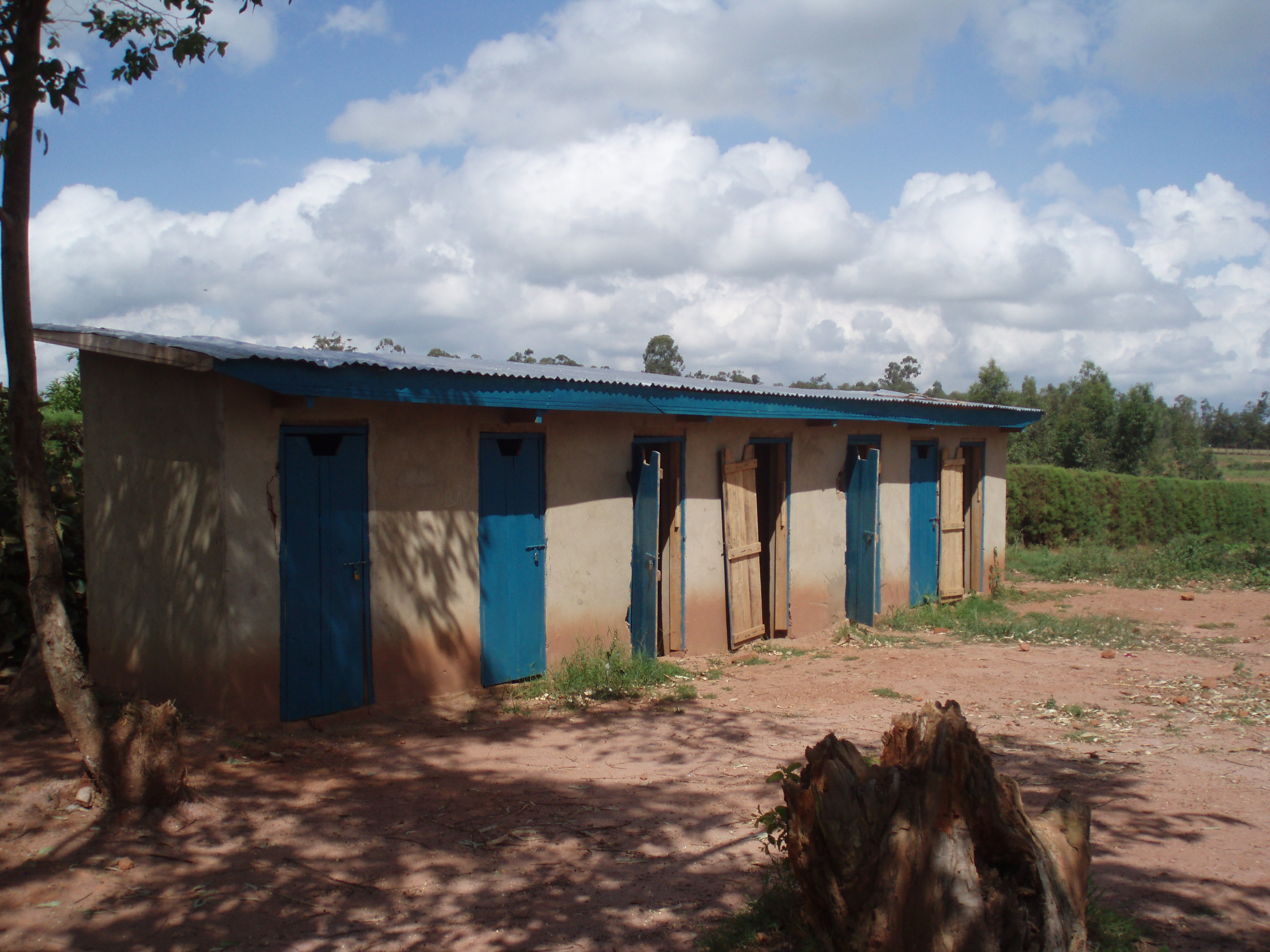
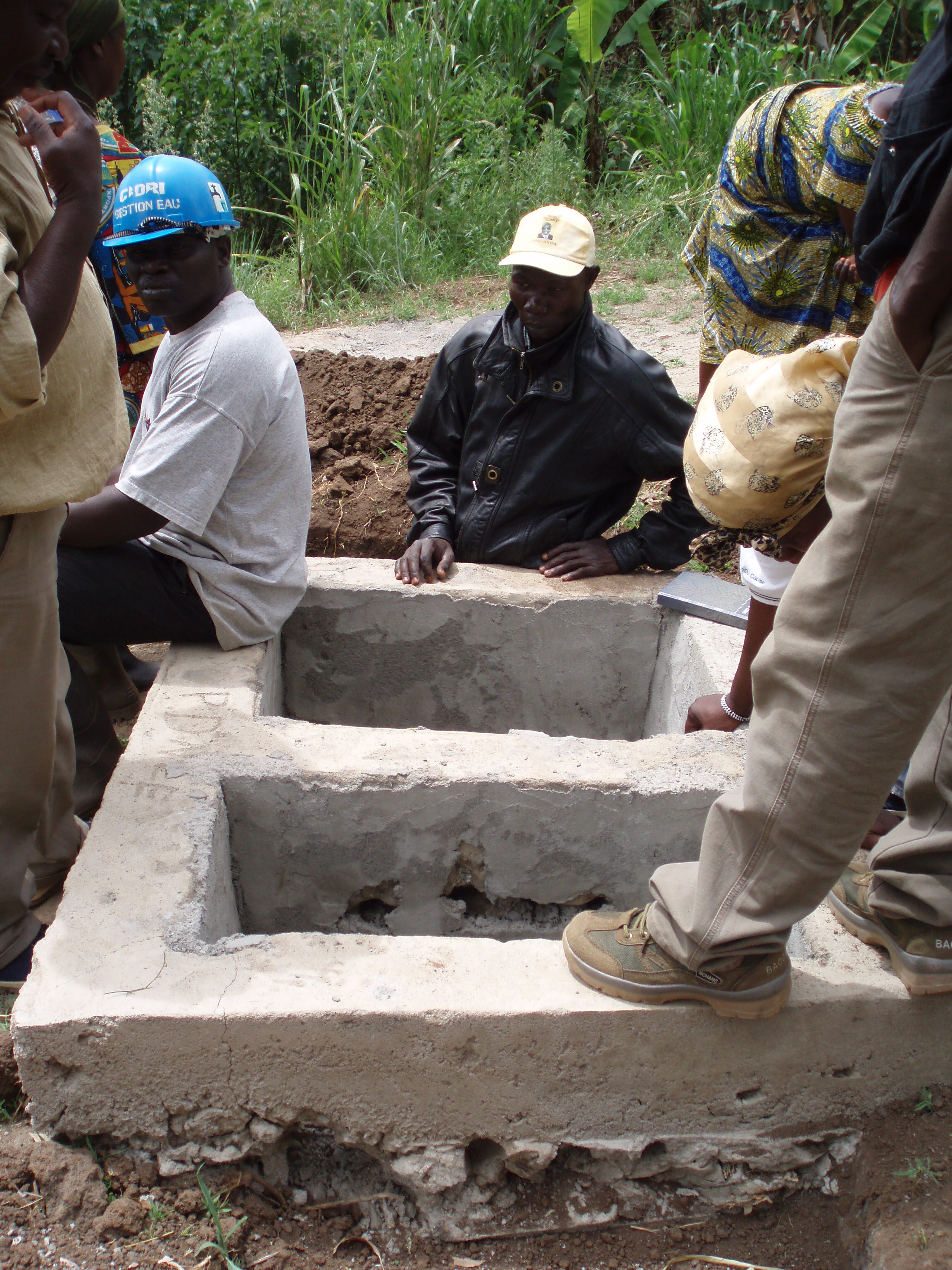
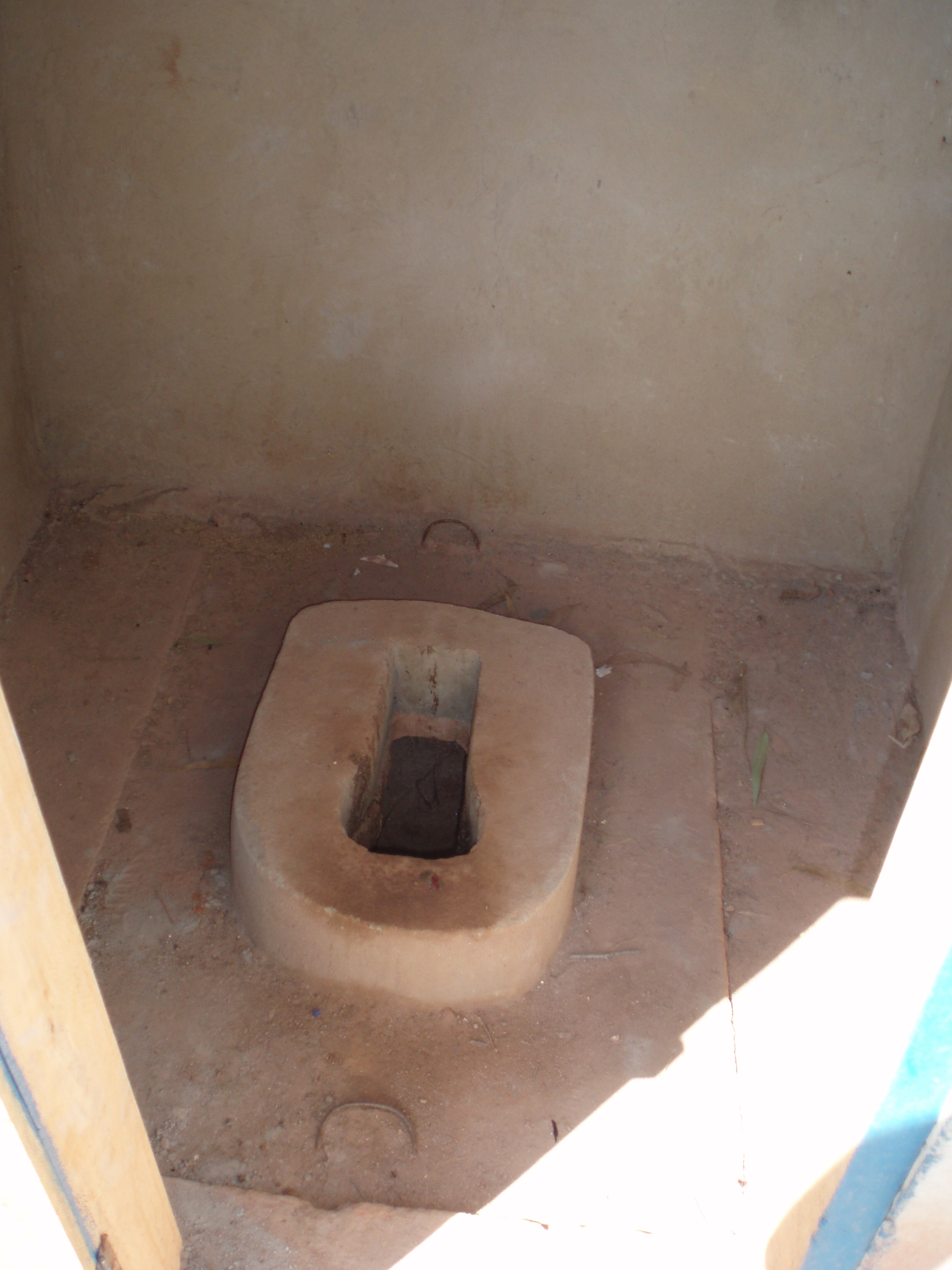
Next to these activities in behavior change, some Sanplats were constructed and distributed in the area of Aru to be used as demos.
(Sanplats: sanitation plateaus for latrines)
People Getting Other Benefits: 1596
Also, detailed studies have started on two new GFS with support of PWX leading to some additional beneficiaries. Also these benificiaries have not been added to this number
Maintenance/Operating Costs Annual, in US$: $24000
Creating and measuring long-term impact
Contribution for public tapstands amount to an equivalent of 0,25 USD per family per month. It was shown that this amount is achievable for all and also is sufficient to generate sufficient income per scheme to pay 4 permanent staff and basic spare parts and materials. Private users pay in relation to the quantity of water used as these connections are metered (and disconnected when not paid).
During a field audit (Aru) it was shown that the income per month amounts 2000 USD.
This annual income of about 24000 USD per GFS has shown to be sufficient for standard repairs and maintenance costs.
This covers the costs for 4 persons (bookkeeper, 1 person for social intermediation and 2 technicians) and the necessary spare parts.
Funding
- funded:
- $8,200
- Final Cost:
- $89,859
Plan/Proposal
Photos
Documents
-
PWX_BPR_...
-
List_inv...
-
househol...
-
Latrine_...
-
new_tank...
-
relocate...
-
Sanplat_...
-
Tapstand...
-
Tapstand...
-
water_te...
-
water_te...