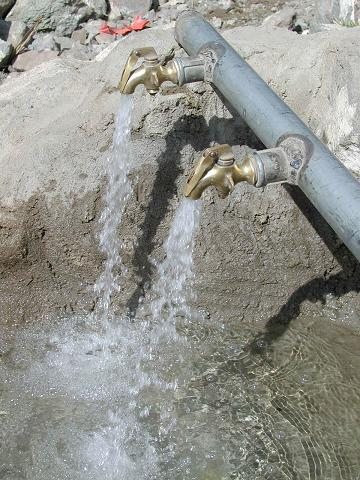
CARE successfully established three water distribution networks that connect 112 households in three communities, benefiting 1,232 people in total.
Photos


Documents
-
 Yemen_BP...
-
 yemen_wa...
-
 yemen_wa...
-
 yemen1.bmp
-
 yemen2.bmp
-
 communit...
-
 water_ma...
-
Yemen_Sa...

- Impact Assessment (M&E) Phase Project completed on 30 Mar, 2008 Implementation Phase
- Implementation Phase Project started on 1 Jan, 2007 Preparation Phase
CARE successfully established three water distribution networks that connect 112 households in three communities, benefiting 1,232 people in total.
Photos
Documents
-
Yemen_BP...
-
yemen_wa...
-
yemen_wa...
-
yemen1.bmp
-
yemen2.bmp
-
communit...
-
water_ma...
-
Yemen_Sa...
Sustainability
Creating and measuring long-term impact
[checking on costs] The three water systems are regularly maintained by the water management committees. The committees have contracted an engineer to perform monthly check-ups and regular maintenance on the systems. The committees collect fees from users each month to pay for repairs and maintenance costs. Special arrangements have been made for extremely poor families who cannot afford to pay fees on a monthly basis; for example, some make payments on a seasonal basis.
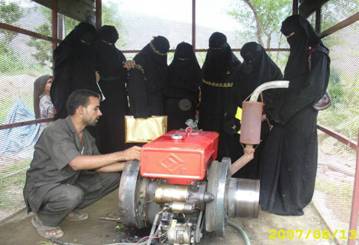
To ensure the long-term sustainability of the new infrastructure, CARE helped water management committees to identify roles and responsibilities and establish by-laws. The committees are responsible for the ongoing maintenance of the equipment. Project staff also trained 18 members in water supply system maintenance; group management and bookkeeping and financial management.
Other Issues
Unusual and unexpected issues faced during project execution
CARE implemented this program in partnership with local representatives of the ministries of Social Affairs and Labour, Public Health and Population, Water and Environment and Education.
Learnings
Knowledge of project and process for sharing
The three water systems are now running well and are regularly maintained by the water management committees. In fact, the committees have contracted an engineer to perform monthly check-ups and regular maintenance on the systems. The committees collect fees from users each month to pay for repairs and maintenance costs. Special arrangements have been made for extremely poor families who cannot afford to pay fees on a monthly basis; for example, some make payments on a seasonal basis.
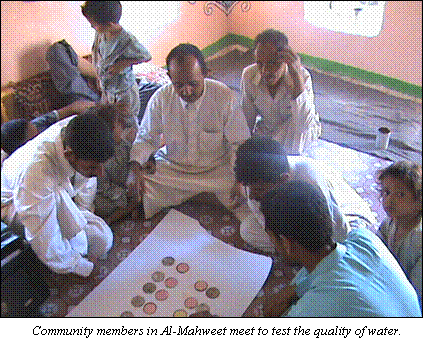
The water testing conducted during the project demonstrated to residents how contaminated the drinking water was. After five months of the educational campaign, 90 percent of the families were regularly using water filters and enjoying improvements in family health as a result. Monitoring has shown that sanitation in the villages has also improved, and families have adopted improved hygiene practices.
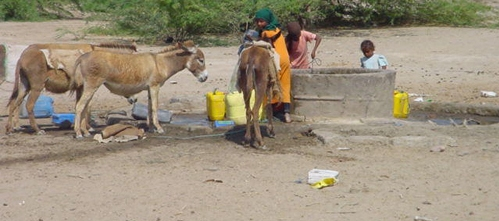
The new infrastructure and behavior changes made possible by the project are contributing to families’ health and productive capacity. In this arid country, water is a critical resource for food and income production. By improving water access and sanitation, CARE has helped to reduce the risk of disease and ensure that residents have long-term, reliable access to water for their domestic and income-generating needs.
Impact
People Getting Safe Drinking Water: 1232
112 households in three communities
People Getting Other Benefits: 1232
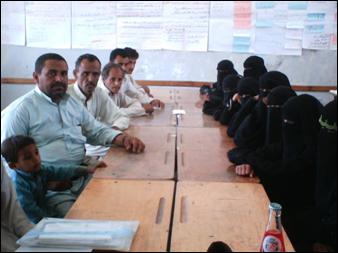
CARE hired a specialized consultant to raise awareness among community members about safe water, sanitation and hygiene. The educational campaign included a month-long training for 26 water management committee members, including 13 women, who are responsible for maintaining the infrastructure and ensuring equitable access. During the training, members learned how to clean and repair water infrastructure, test water quality, safely store water, use water filters and employ good personal hygiene practices. Subsequently, CARE and committee members launched three weeks of community activities in each of the participating villages to raise awareness among residents about sanitation and hygiene. The campaign focused on the importance of:
-Cleaning village public spaces and collecting garbage;
-Cleaning houses;
-Separating animal areas from family living areas;
-Using water filters; and
-Covering all wasted water with soil and sand to get rid of mosquitoes.
At the conclusion of the campaign, the project organized a celebration to reward the communities’ hard work and to recognize the cleanest house and village.
Photos
Documents
-
Yemen_BP...
-
yemen_wa...
-
yemen_wa...
-
yemen1.bmp
-
yemen2.bmp
-
communit...
-
water_ma...
-
Yemen_Sa...