Construcción of an extension to a gravity flow project and 90 latrines in Barrio Pedro Joaquin Chamorro and La Reina and Peñas de Cáfe, in Camoapa, Nicaragua.
Photos


Documents
-
 pjchamar...
-
 BPJCH_wa...
-
 BPJCH_Ag...
-
 BPJCH_Ag...
-
 BPJCH_Le...
-
 BPJCH_Le...



Narrative
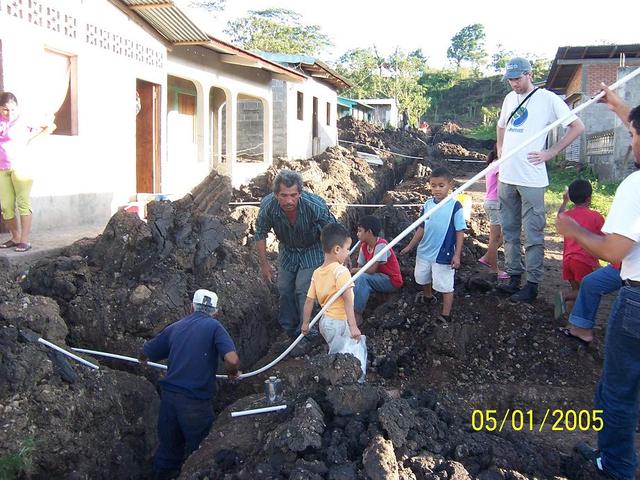
June/2007 update: The water system and latrines in Barrio Pedro Joaquin Chamorro are complete.
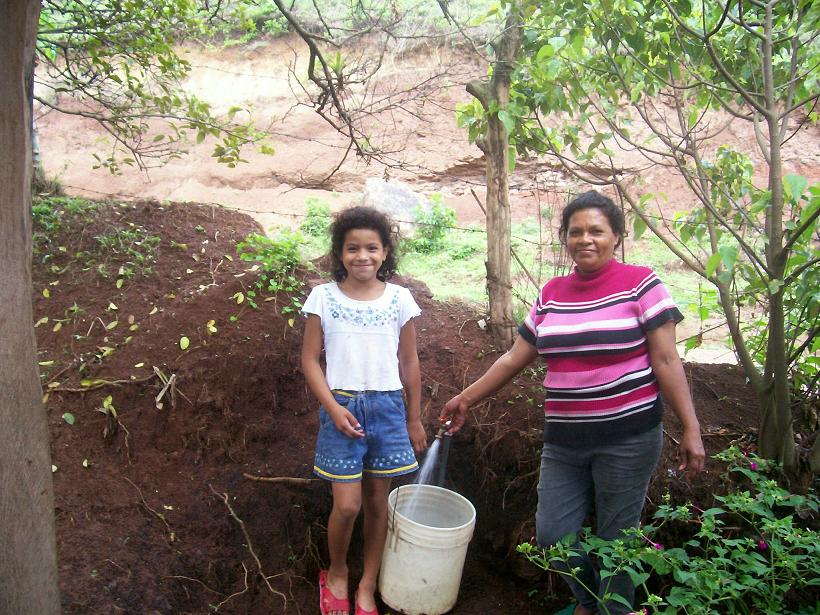
Update: Oct/07: The well in the school in La Reina came up dry, so we are substituting one of two wells in Peñas de Cáfe (sector Cafen Alto, the larger of the two sectors with 46 families - the Cafen Bajo sector has 5 families). The school at La Reina will try again to dig in the near future. The well at Peñas de Cáfe is complete. The latrines in the community of La Reina are also complete. We haven't got a photo yet, but will get one up within the next month or so.
-
Field Photographer of PhotoPhilanthropyImplementation Status: completed Fri 20 Aug 2010, Almost 16 Years ago
Visit and Interview
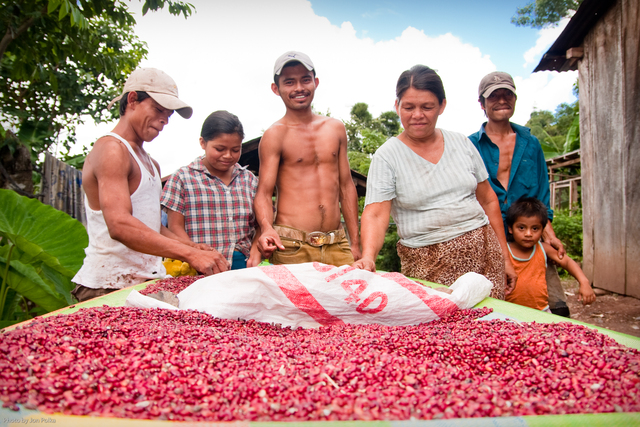
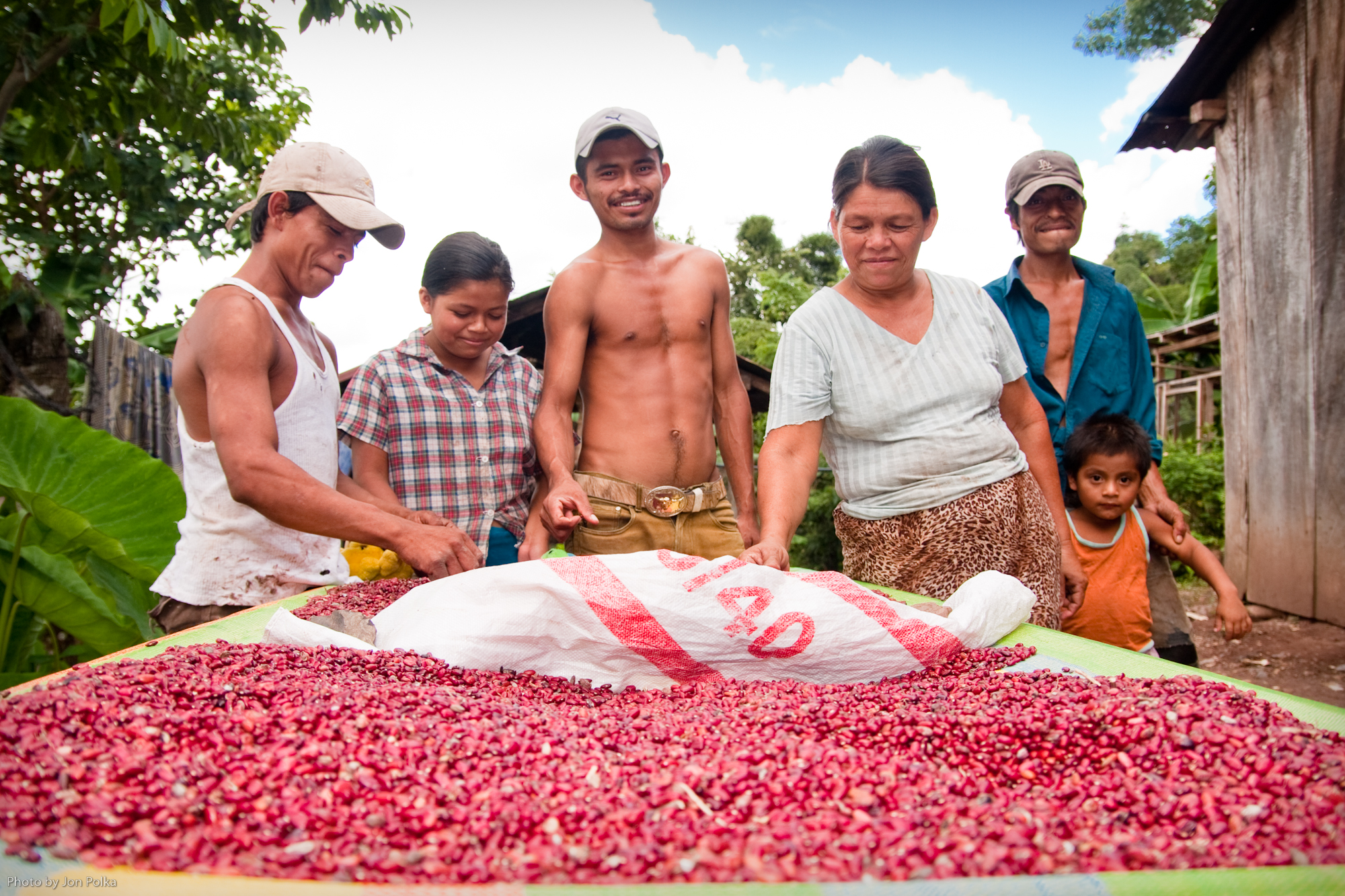
After visiting Penas de Cafen, I was able to briefly stop in La Reina and talk with the some of the residents there. The family I encountered were red bean farmers. I was able to chat with Julia Amador Hernandez, for a few minutes.
She said that before the latrines, everyone would just relieve themselves in the fields. This particular family had a latrine, but it was getting full. Once the latrines fill up, the children use the fields again. She said this made her sad. She then stressed the importance of adults using the latrines to set a good example for the children in the community.
After our brief visit, we set off for Boaco Viejo.
Entire album available at:
http://www.flickr.com/photos/jonpolka/sets/72157624736155953/
- Jon Polka
-
 La_Reina...
-
 La_Reina...
-
 La_Reina...
-
- Impact Assessment (M&E) Phase Project completed on 31 Dec, 2007 Implementation Phase
- Implementation Phase Project started on 1 Jan, 2007 Preparation Phase




Construcción of an extension to a gravity flow project and 90 latrines in Barrio Pedro Joaquin Chamorro and La Reina and Peñas de Cáfe, in Camoapa, Nicaragua.
Narrative
June/2007 update: The water system and latrines in Barrio Pedro Joaquin Chamorro are complete.
Update: Oct/07: The well in the school in La Reina came up dry, so we are substituting one of two wells in Peñas de Cáfe (sector Cafen Alto, the larger of the two sectors with 46 families - the Cafen Bajo sector has 5 families). The school at La Reina will try again to dig in the near future. The well at Peñas de Cáfe is complete. The latrines in the community of La Reina are also complete. We haven't got a photo yet, but will get one up within the next month or so.
Photos
Documents
-
pjchamar...
-
BPJCH_wa...
-
BPJCH_Ag...
-
BPJCH_Ag...
-
BPJCH_Le...
-
BPJCH_Le...
Sustainability
Creating and measuring long-term impact
Gravity flow water project beneficiaries pay monthly stipend in anticipation of system repairs. Well project beneficiaries pay for repairs as needed by community colection.
Other Issues
Unusual and unexpected issues faced during project execution
After project construction, water project communities are invited to participate in reforestation. Those who want to do so will develop seedling nurseries, transplant in the rainy season, and maintain the plantations under barbed wire fence and "no burn" protection for three years minimum. Reforestation project includes construction of fuel-saving, smoke-free stoves in the homes of reforestation participants (and eventually others). Community health educators will visit all projects after construction to teach hygience (handwashing e.g.) and encourage ongoing maintenance and repair of all projects, strengthen local committees, etc.
In order to measure the impact of our projects, we collect data several times a year from clinics serving rural districts where we have a high concentration of projects: number of visits due to diarrhea, etc. As the number decreases we feel that hygiene education has been effective.
For further information, please review our web site: http://www.elporvenir.org
Impact
People Getting Safe Drinking Water: 322
42 families will help build their own wells and water system.
People Getting Sanitation: 540
90 families will help build their own latrines.
People Getting Other Benefits: 540
540 people will receive health and hygiene education, training in long term maintenance of projects, opportunity to take part in reforestation of microwatersheds
Photos
Documents
-
pjchamar...
-
BPJCH_wa...
-
BPJCH_Ag...
-
BPJCH_Ag...
-
BPJCH_Le...
-
BPJCH_Le...