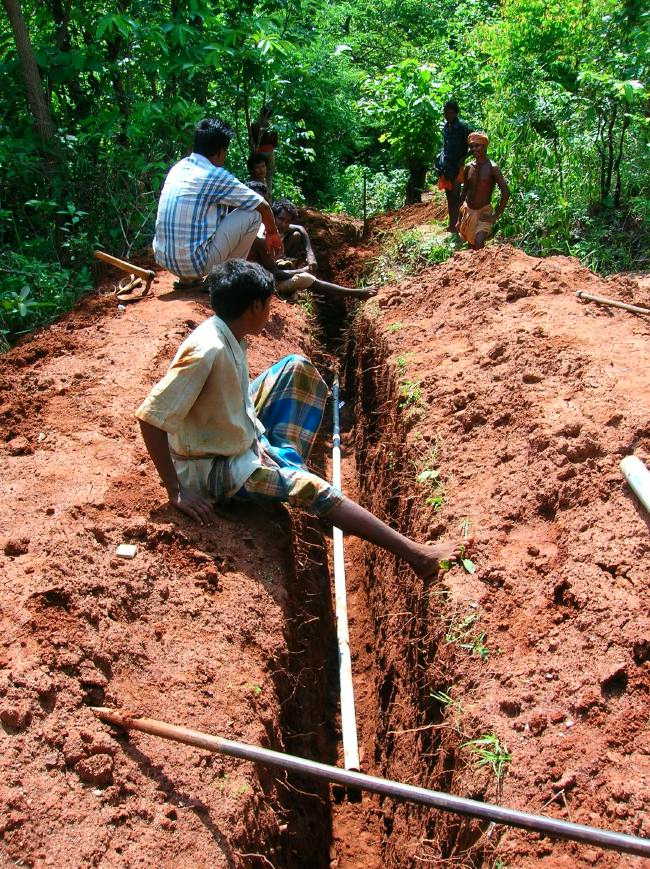
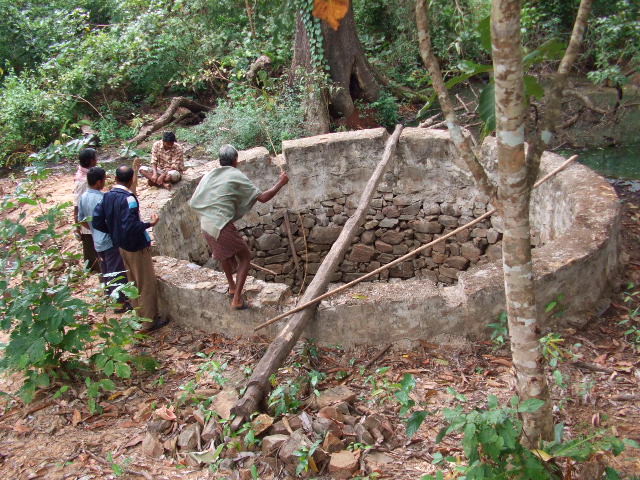
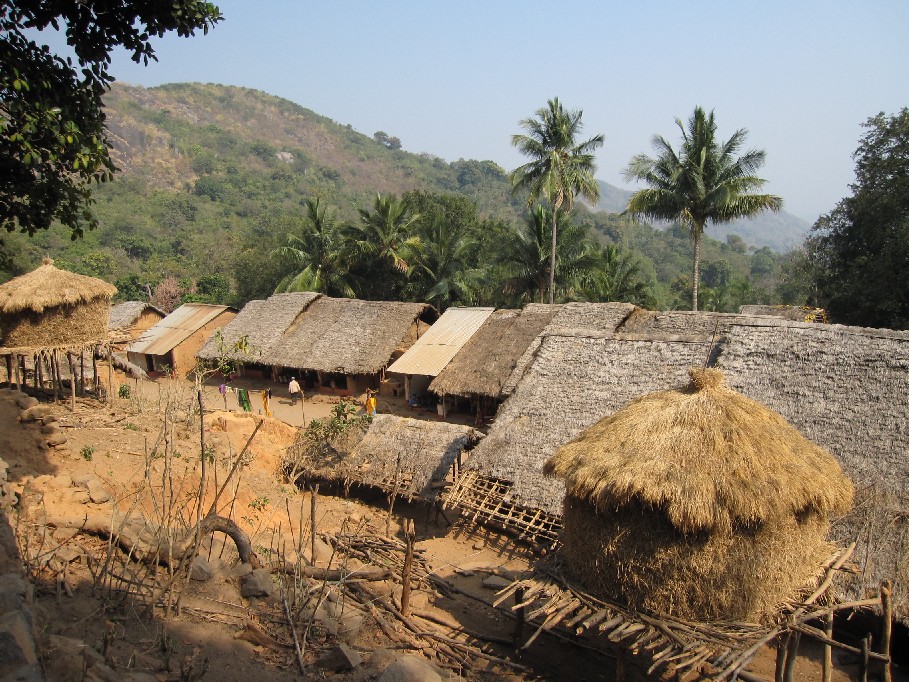
Community-led, gravity flow piped water supply and sanitation system to Kerandi, an un-electrified tribal village in rural Orissa.
Photos


Documents
-
 Final_Pr...
-
KERANDI_...
-
 Digging_...
-
 Gravity_...
-
field_vi...
-
 IMG_0647...
-
 IMG_0652...
-
 IMG_0657...
-
 IMG_0651...
-
 IMG_0650...



- Impact Assessment (M&E) Phase Project completed on 1 Jan, 2008 Implementation Phase
-
Scott Harrison of Charity: WaterImplementation Status: completed Mon 31 Dec 2007, Over 18 Years ago
Scott visits a few Gram Vikas water projects with Joe Madiath
Joe took me around rural Orissa to visit a few water projects they have completed.
Very impressive - Gram Vikas does incredible work.
Blue Planet Run's money was well spent.
An extremely motivating New Year's Eve!
You can read the entire report here.
-
 gramvika...
-
- Implementation Phase Project started on 1 Mar, 2007 Preparation Phase


Community-led, gravity flow piped water supply and sanitation system to Kerandi, an un-electrified tribal village in rural Orissa.
Photos
Documents
-
Final_Pr...
-
KERANDI_...
-
Digging_...
-
Gravity_...
-
field_vi...
-
IMG_0647...
-
IMG_0652...
-
IMG_0657...
-
IMG_0651...
-
IMG_0650...
Sustainability
Creating and measuring long-term impact
Maintenance required for gravity flow water systems is minimal. Maintenance could be needed for pipe joints. The cost of maintenance will be met by the village maintenance fund formed from community-led livelihood activities, e.g. income from pisciculture and horticulture.
Other Issues
Unusual and unexpected issues faced during project execution
Women and children are the greatest beneficiaries of this programme - women benefiting from being spared the drudgery of fetching water for household uses and children, escaping the clutches of water-borne diseases, which result in widespread morbidity and mortality.
Access to sanitation is not only a matter of hygiene, it is a statement in dignity - it restores to the rural folk, especially women, their self-respect. Moreover, it is well understood that given the widespread morbidity and mortality in rural areas due to water-borne diseases caused by faecal contamination of water, safe water can never be assured to a habitation in the absence of mechanisms for hygienic disposal of human waste – meaning proper sanitation
Impact
People Getting Safe Drinking Water: 220
Kerandi is a tribal village in Raygada Block, Gajapati district having 47 households. 60% of the households live below the poverty line. All of the households, compromising of 104 men and 116 women, including 68 children, would have 24-hour piped water supply to their toilet, bathing room and kitchen. .
School Children Getting Water: 17
Eight boys and 9 girls attend the village school. The village school operating in Kerandi will also be provided drinking water, toilet, and bathing room facilities with contribution from the entire community.
People Getting Sanitation: 220
Kerandi is a tribal village in Raygada Block, Gajapati district having 47 households. All of the households, compromising of 104 men and 116 women, would receive a toilet, bathing, and washing block, each having 24 hours of running water.
People Getting Other Benefits: 220
Gram Vikas staff engage with self help groups of women to impress upon them, the importance of personal hygiene. Small, but instructive messages about using some form of soap (or detergent or ash) to clean the hands after one uses a toilet, bathing regularly and wearing clean clothes are passed on during the regular meetings. Due to the availability of a bathing room, women would find it easier to take care of their personal cleanliness and hygiene. In addition, children are repeatedly guided, in schools, about the importance of hand-washing, keeping their hair clean, keeping nails short and clean etc. Between the mothers and the children, there is often a mutually reinforcing cycle at work, making the need for personal hygiene an ingrained one.
Before construction of the toilets and bathing rooms, young men and women, working as unskilled labourers, are trained in masonry. On completion of the training, they construct the toilets, bathing rooms, overhead water tanks and later on, houses, under the supervision of master masons and technical personnel. These newly trained masons are assured of work for at least one year if they so desire. Some of them go on to become master masons, leading trainings in other project areas, or successfully securing contracts for work in nearby urban centers. Within a year, the income earning capacity of these people increase by at least two to three times. The village fund that accumulates through individual and community contribution as well as interest accruals, can be used at a later stage as collateral to leverage bank loans for community-based income generating enterprises.
Maintenance/Operating Costs Annual, in US$: $50
Creating and measuring long-term impact
Maintenance required for gravity flow water systems is minimal. Maintenance could be needed for pipe joints. The cost of maintenance will be met by the village maintenance fund formed from community-led livelihood activities, e.g. income from pisciculture and horticulture.
Funding
- funded:
- $1,000
- edit $1,000:
- Blue Planet Network
Plan/Proposal
Photos
Documents
-
Final_Pr...
-
KERANDI_...
-
Digging_...
-
Gravity_...
-
field_vi...
-
IMG_0647...
-
IMG_0652...
-
IMG_0657...
-
IMG_0651...
-
IMG_0650...