A gravity water project delivering clean water and a latrine to individual houses, education for maintenance, long-term hygiene and sanitation, and the preservation and reforestation of the watershed.
Photos



Documents
-
 Quirragu...
-
 Quirragu...
-
 Quirragu...
-
 Quirragu...
-
 Quirragu...
-
 Quirragu...
-
 Quirragu...
-
 Quirragu...



Narrative
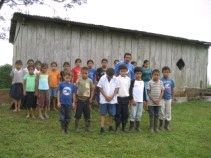
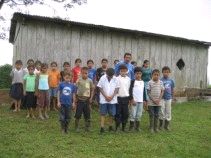
Quirragua is a small and highly dispersed rural community of 21 very primitive houses 45 kms north of the town of Matiguas. Accessible by a dirt road, it has neither electricity nor a clinic. There is an elementary school for the first 5 grades and two evangelical chapels. Its inhabitants live largely from subsistence agriculture.
Before the construction of the gravity system the population drew its water in part from small creeks that crossed this settlement and in part from unimproved pits dug by the population. In all cases the degree of pollution of these sources of water exceeded tolerable levels and was seen to peak sharply during certain periods of the year.
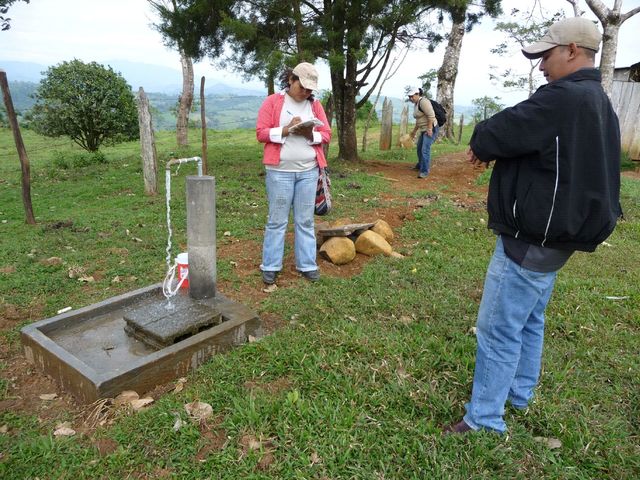
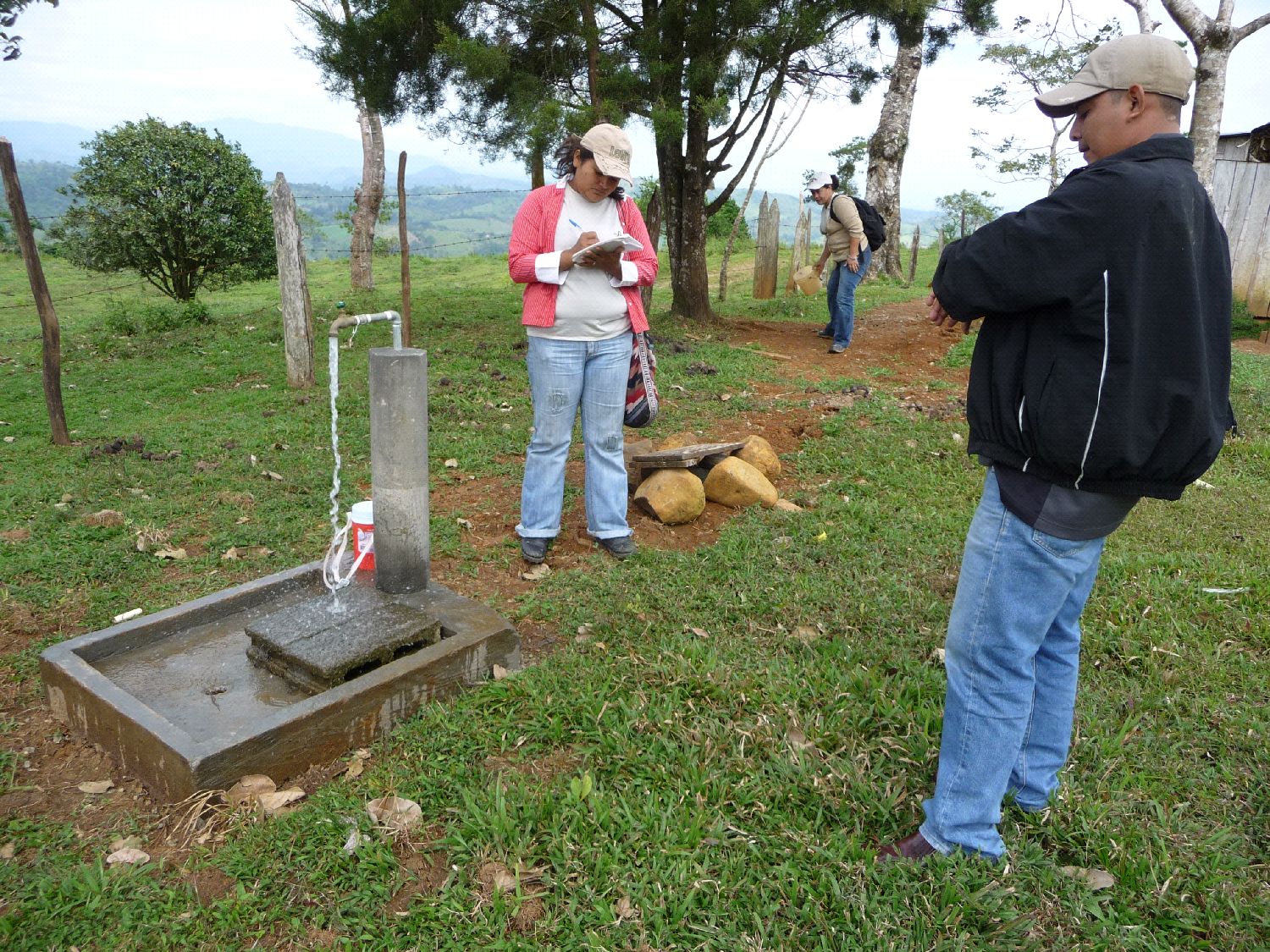
The primary element of this project was a gravity system drawing water from an abundant spring by a conduction line to a tank and thence to a distribution network of water stands next to individual houses. The system was designed for a population of 194 persons expected to occupy the area within 15 years. The project includes maintenance training for the local Maintenance Committee, an individual latrine for each household, a comprehensive hygiene and sanitation education program, and a reforestation program.
This project is one of three (including El Carmen and San Isidro) which make use of the same spring.
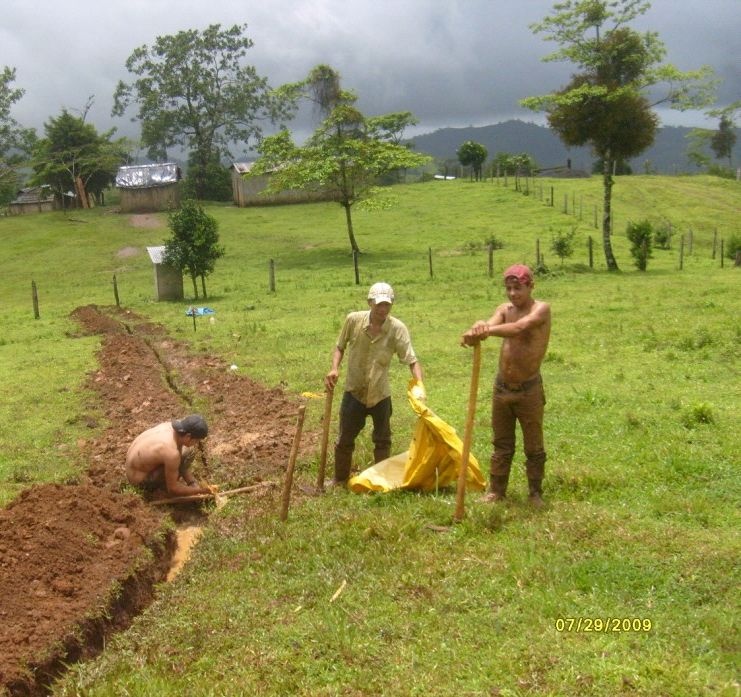
The construction of the water system started May 18th,20 09 and finished January 15, 2010. One change in the planned program was the sale of eight of the houses and parcels of the village to new occupants for various reasons of economic hardship. The APLV policy is to never provide a faucet next to an uninhabited house and since the new owners had not yet occupied their houses eight fewer faucets were built though the connection can readily be made once the houses are occupied in the near future.
The length of the conduction line from the spring to the tank is 336m. The tank capacity is 5 cubic meters, and the distribution network for this rather dispersed settlement is 6,642 meters long. There were 5 classes for maintenance training and a total 18 classes on hygiene, the preservation of the environment and the organization of the permanent committee and the handling of its finances.
Excessive consumption of water is inhibited by the installation of water meters for each house, and a water tariff which increase considerably when the allotted daily amount is exceeded.
-
Field Photographer of PhotoPhilanthropyImplementation Status: completed Mon 23 Aug 2010, Almost 16 Years ago
Visit to Quirragua (the Spring Site)
After eating lunch at San Isidro (which also relies on the Quirragua spring site), some community members, APLV technicians, Jackie Powell (from Agua Para La Salud in Guatemala), and I mounted our horses and headed for Quirragua.
We passed through El Carmen on the way to the spring. El Carmen was very spread out and we did not really stop because it would have taken too much time to visit different homes in that community.
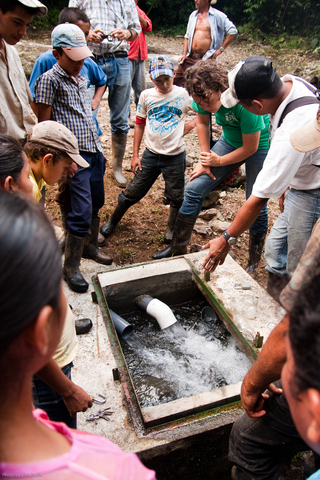
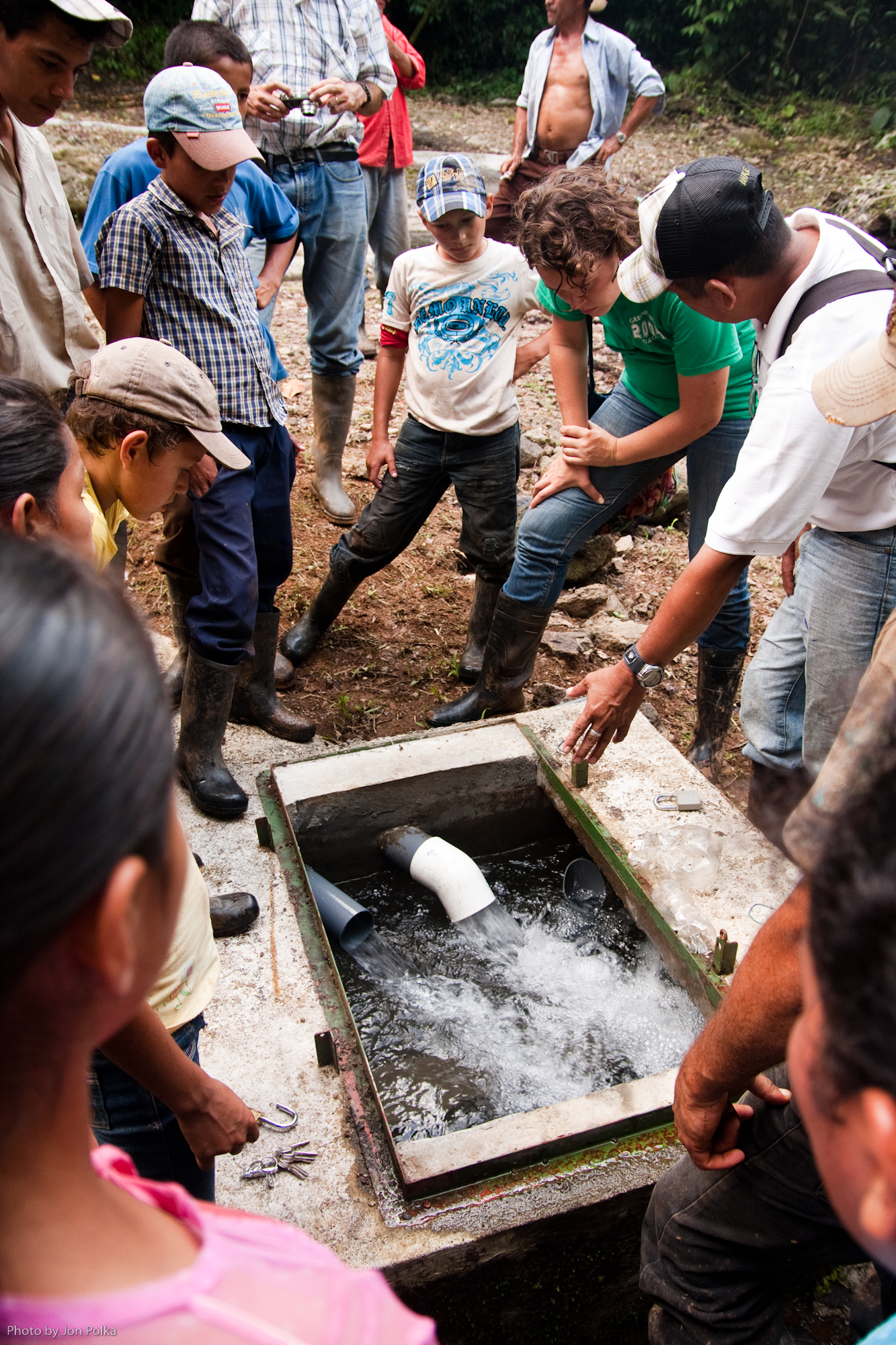
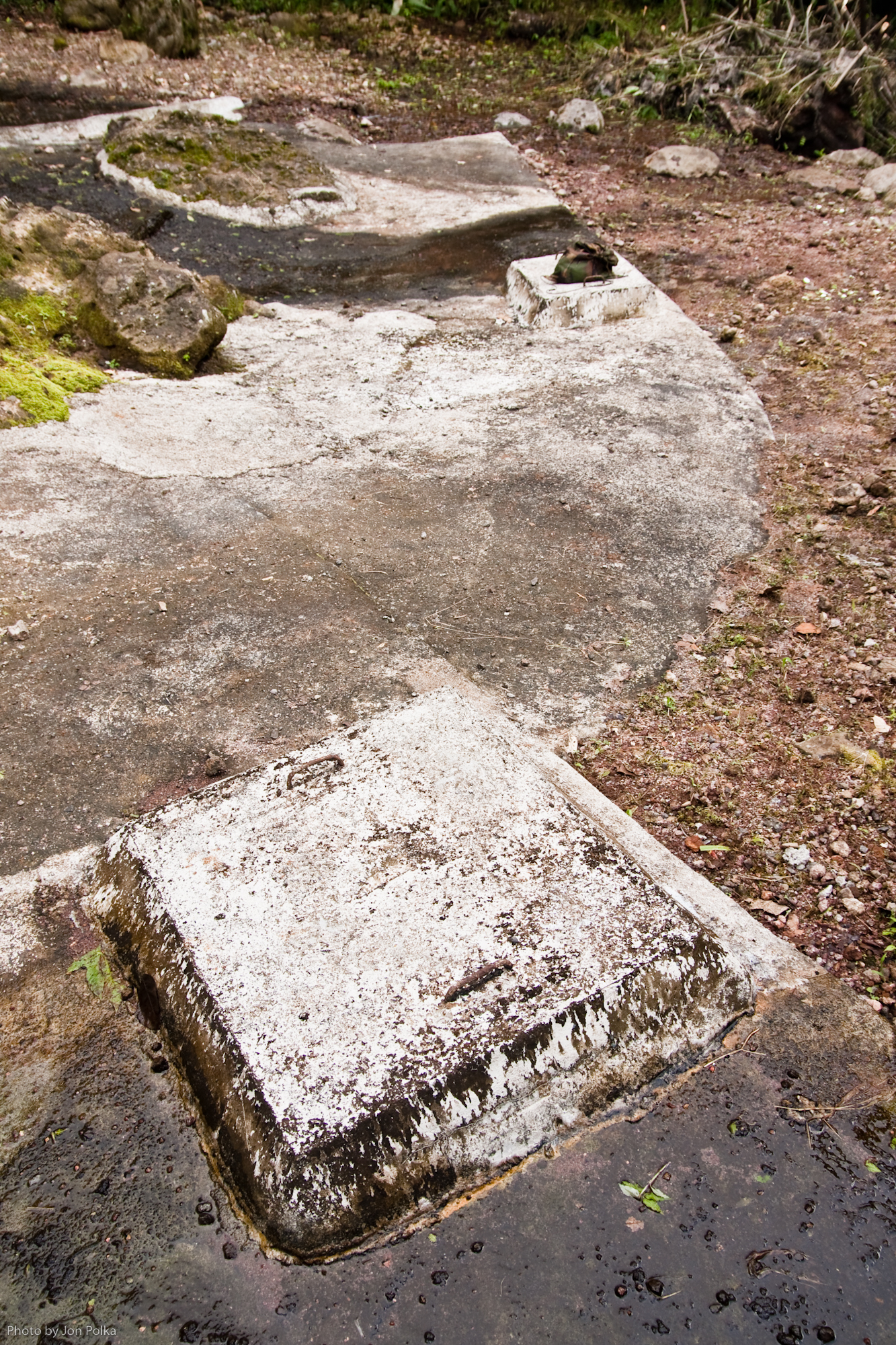
Once we got to the site, Jackie was able to talk with residents as well as technicians. She commented that she had never seen a spring site that was so big. Not only does this site have enough water to supply 3 communities, there is also built in tubes that drain the excess water. Even in the dry season these tubes are full of excess water. In the rainy season, there is also additional runoff that goes around the concrete cap.
Similarly to all the other sites that I have visited, this spring site was cordoned off with barbed wire and there were many trees that protected the site from grazing animals (a combination of plants already there and newly planted trees that were part of APLV's reforestation effort).
For more pictures... please visit:
http://www.flickr.com/photos/jonpolka/sets/72157624726616095/-Jon Polka
-
 Quirragu...
-
 Quirragu...
-
 Quirragu...
-
 Quirragu...
-
 Quirragu...
-
 San_Isid...
-
-
Lynn Roberts of Agua Para La Salud (APLS)Implementation Status: completed Mon 23 Aug 2010, Almost 16 Years ago
Day One: Tri-Community Water System
The first site we visited was located two hours from Rio Blanco and is a current project site serving the three communities of Quirragua, El Carmen, and San Isidro (111 families in total). Upon arriving, we hopped on horses waiting for us at the entrance of San Isidro. The horses were necessary for two reasons: the rainy season in Nicaragua creates deep pockets of mud difficult to pass through on foot and the three communities are located several kilometres away from each other with no road access.
This large project began when the community of El Carmen began to look for a water resource in order to provide water for their community. The spring they located was eight kilometres away in the village of Quirragua. It was decided during the initiation of the project to include the village of San Isidro as well to the conduction lines since it is located between El Carmen and Quirragua.
First, we visited the school of San Isidro and met with the local water committee or CAPS (Comité de Agua Potable y Saneamiento or Committee of Potable Water and Health). From their introduction and brief words shared it was clear that APLV has not only formed excellent relations with the community but APVL has also created tight work strategies within the communities. Each CAPS committee not only has a President, Vice President, Secretary, and Treasurer but there are also individuals with the titles of Health Promoter, Environmental Promoter, and a Maintenance Representative. Each of these posts works alongside their APLV counterpart throughout the implementation of the project. The APVL counterpart gives several educational workshops members of CAPS and the community in order to assure the communities knowledge of the project, system maintenance, healthy habits, and environmental care.
After lunch we saddled up to visit the spring site located in Quirragua. CAPS and other community members joined us on our trek to the site and once we arrived it was quite the communal celebration of drinking water from the spring. Overall it was an excellent day spent seeing and learning how the communities and APLV work together.
- Impact Assessment (M&E) Phase Project completed on 11 Dec, 2009 Implementation Phase
- Implementation Phase Project started on 8 May, 2009 Preparation Phase






A gravity water project delivering clean water and a latrine to individual houses, education for maintenance, long-term hygiene and sanitation, and the preservation and reforestation of the watershed.
Narrative
Quirragua is a small and highly dispersed rural community of 21 very primitive houses 45 kms north of the town of Matiguas. Accessible by a dirt road, it has neither electricity nor a clinic. There is an elementary school for the first 5 grades and two evangelical chapels. Its inhabitants live largely from subsistence agriculture.
Before the construction of the gravity system the population drew its water in part from small creeks that crossed this settlement and in part from unimproved pits dug by the population. In all cases the degree of pollution of these sources of water exceeded tolerable levels and was seen to peak sharply during certain periods of the year.
The primary element of this project was a gravity system drawing water from an abundant spring by a conduction line to a tank and thence to a distribution network of water stands next to individual houses. The system was designed for a population of 194 persons expected to occupy the area within 15 years. The project includes maintenance training for the local Maintenance Committee, an individual latrine for each household, a comprehensive hygiene and sanitation education program, and a reforestation program.
This project is one of three (including El Carmen and San Isidro) which make use of the same spring.
The construction of the water system started May 18th,20 09 and finished January 15, 2010. One change in the planned program was the sale of eight of the houses and parcels of the village to new occupants for various reasons of economic hardship. The APLV policy is to never provide a faucet next to an uninhabited house and since the new owners had not yet occupied their houses eight fewer faucets were built though the connection can readily be made once the houses are occupied in the near future.
The length of the conduction line from the spring to the tank is 336m. The tank capacity is 5 cubic meters, and the distribution network for this rather dispersed settlement is 6,642 meters long. There were 5 classes for maintenance training and a total 18 classes on hygiene, the preservation of the environment and the organization of the permanent committee and the handling of its finances.
Excessive consumption of water is inhibited by the installation of water meters for each house, and a water tariff which increase considerably when the allotted daily amount is exceeded.
Photos
Documents
-
Quirragu...
-
Quirragu...
-
Quirragu...
-
Quirragu...
-
Quirragu...
-
Quirragu...
-
Quirragu...
-
Quirragu...
Sustainability
Creating and measuring long-term impact
Drinking Water Committee
A Drinking Water Committee was formed early in the process of assessing this project and has remained organized and has demonstrated leadership in the community. The creation of this committee is a key element in ensuring the sustainability of the project. The committee members received training in management, administration, maintenance, watershed management and efficient use of the water resource.
Health and Hygiene Education
The objective of the Health and Higiene Education Program is to guarantee that the families of the community receive the maximum possible benefit from access to clean water and sanitation. The APLV team works directly with families and school children on personal hygiene, gender issues, latrine maintenance, food handling, trash management and water conservation.
Watershed Conservation
The following activities were undertaken as part of the APLV watershed conservation program:
• Workshops on land management practices that promote an ecological approach
• Creation of a protected area surrounding the spring
• Measurement and demarcation of the watershed
• Installation of a fence around the protected area
• Development of a long-range watershed management plan
Finally, Agua Para La Vida has been working with rural Nicaraguan communities for over 20 years. Our long-term presence in the region enables us to maintain contact with our partner communities to provide on-going assistance.
Other Issues
Unusual and unexpected issues faced during project execution
One change in the planned program was the sale of eight of the houses and parcels of the village to new occupants for various reasons of economic hardship. The APLV policy is to never provide a faucet next to an uninhabited house and since the new owners had not yet occupied their houses eight fewer faucets were built though the connection can readily be made once the houses are occupied in the near future.
Impact
People Impacted: 78
People Getting Safe Drinking Water: 78
Note that for economic reasons, 6 families had to sell their houses and move away from the community. The system is designed for 193 people, and as new families occupy these houses the number of people getting water will increase.
School Children Getting Water: 26
People Getting Sanitation: 78
People Getting Other Benefits: 78
Maintenance/Operating Costs Annual, in US$: $500
Creating and measuring long-term impact
Drinking Water Committee
A Drinking Water Committee was formed early in the process of assessing this project and has remained organized and has demonstrated leadership in the community. The creation of this committee is a key element in ensuring the sustainability of the project. The committee members received training in management, administration, maintenance, watershed management and efficient use of the water resource.
Health and Hygiene Education
The objective of the Health and Higiene Education Program is to guarantee that the families of the community receive the maximum possible benefit from access to clean water and sanitation. The APLV team works directly with families and school children on personal hygiene, gender issues, latrine maintenance, food handling, trash management and water conservation.
Watershed Conservation
The following activities were undertaken as part of the APLV watershed conservation program:
• Workshops on land management practices that promote an ecological approach
• Creation of a protected area surrounding the spring
• Measurement and demarcation of the watershed
• Installation of a fence around the protected area
• Development of a long-range watershed management plan
Finally, Agua Para La Vida has been working with rural Nicaraguan communities for over 20 years. Our long-term presence in the region enables us to maintain contact with our partner communities to provide on-going assistance.
Implementer: Agua Para La Vida
Funding
- funded:
- $10,073
- Community:
- $11,584
- Final Cost:
- $47,791